Bill Viola

Bill Viola

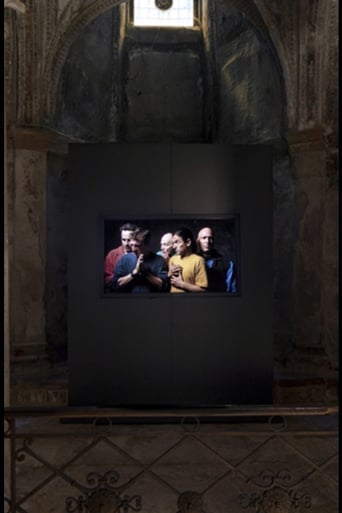
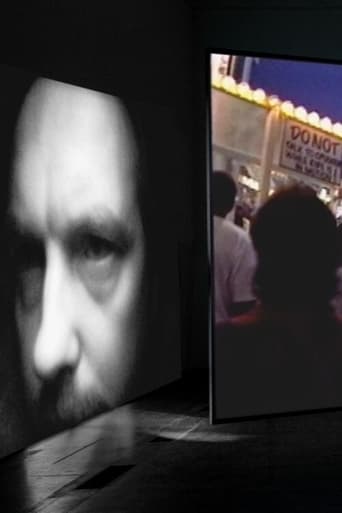
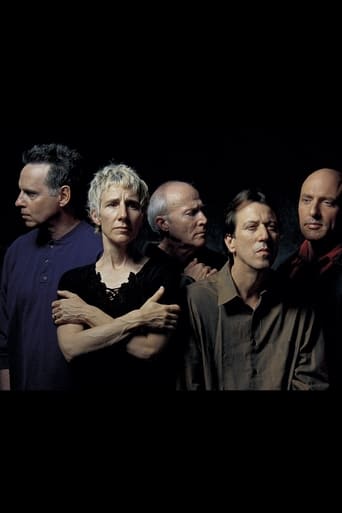
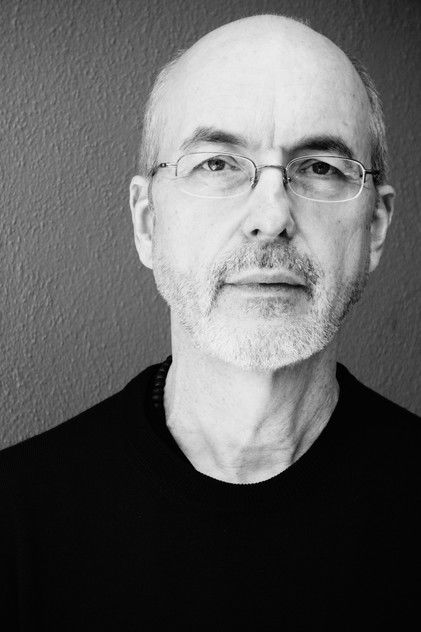
A pioneer in the medium of video art, Bill Viola's work explores the spiritual and perceptual side of human experience. Since 1970 he has created videotapes, architectural video installations, sound environments, electronic music performances and pieces for television. Works include Hatsu Yume (First Dream), The Passing, and installations Room for St. John of the Cross, The Messenger and The Quintet of the Astonished, recently shown at the National Gallery, London in "Encounters, New Art from Old". A 25-year survey exhibition of his work organized by The Whitney Museum of American Art recently traveled to 6 institutions in the USA and Europe. MacArthur Fellow.

  • Title: Bill Viola
  • Popularity: 0.1331
  • Known For: Directing
  • Birthday: 1951-01-25
  • Place of Birth: Queens, New York, USA
  • Homepage: https://www.billviola.com/
  • Also Known As:
img

Bill Viola Movies

  • 2002
    imgMovies

    The Voyage

    The Voyage

    1 2002 HD

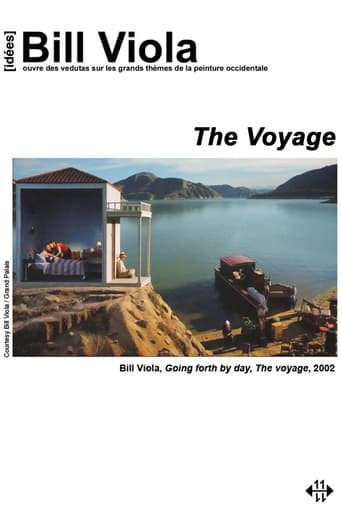
    The fourth video in the five-part digital-image cycle project "Going Forth By Day" (2002), "The Voyage" features an elderly man who is dying, surrounded by his family, as a boat below filled with his possessions awaits him.

    img
  • 1983
    imgMovies

    Reasons for Knocking at an Empty House

    Reasons for Knocking at an Empty House

    5.2 1983 HD

    Viola experimental short

    img
  • 1975
    imgMovies

    Return

    Return

    6.952 1975 HD

    Return is a methodical construction of the approach of an individual towards an unseen goal, which assumes metaphorical significance. Viola moves toward the camera/viewer, pausing every few steps to ring a bell, at which point he is momentarily thrust back to his starting place, and then advanced again. Finally reaching his destination, he is taken through all of the previous stages in a single instant and returned to the source of his journey.

    img
  • 1986
    imgMovies

    I Do Not Know What It Is I Am Like

    I Do Not Know What It Is I Am Like

    6.7 1986 HD

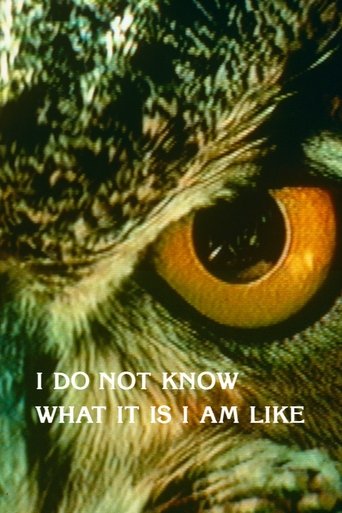
    "I Do Not Know What It Is that I Am Like" juxtaposes images of animals, both wild and domestic, and natural environments with human activity as it takes place in an apartment, and during a fire walking ceremony in Fiji. Documentary-style footage is combined with staged events. Despite the piece's lack of a traditional narrative, it bears some relationship to nature works. The segment features material from "Il Corpo Scuro (The dark body)" - animals and natural environments are seen up close and at a distance.

    img
  • 2003
    imgMovies

    Bill Viola: The Eye of the Heart

    Bill Viola: The Eye of the Heart

    7.333 2003 HD

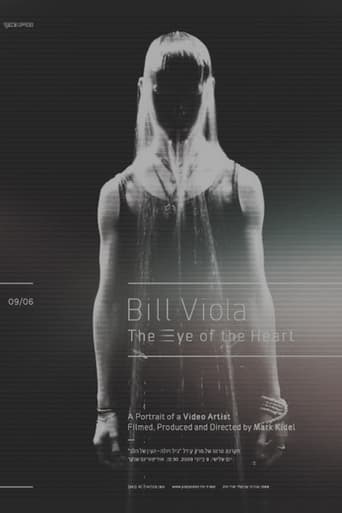
    Hailed as the "Rembrandt of the Video Age," renowned American artist Bill Viola became the first contemporary artist ever to be featured in a one-man show at London's prestigious National Gallery. This documentary directed by Mark Kidel features rarely seen footage from Viola's own archive and in-depth interviews with the video maverick. Viola talks passionately about his life and the influences that have driven his artwork from the beginning.

    img
  • 1979
    imgMovies

    The Reflecting Pool

    The Reflecting Pool

    5.3 1979 HD

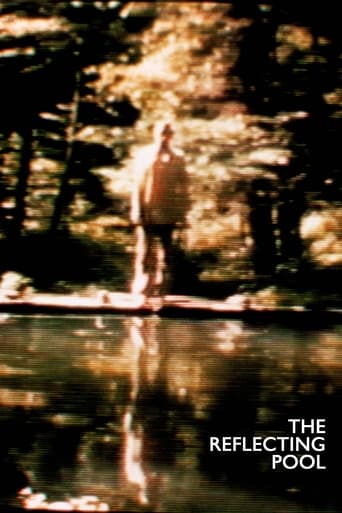
    Viola's seminal piece, The Reflecting Pool, was made three decades ago on analogue video tape and yet could easily pass for a contemporary digital piece; in it, Viola emerges as central protagonist from a thick forest into a clearing filled by an artificial pool. As the noise of an aeroplane slowly passes and fades overhead, Viola approaches the edge of the pool, whereby he removes his shoes, squats down yelling and then prepares to make a powerful jump.

    img
  • 2017
    imgMovies

    Bill Viola: The Road to St. Paul's

    Bill Viola: The Road to St. Paul's

    5.2 2017 HD

    Gerald Fox’s film documents Bill Viola and his wife and close collaborator Kira Perov’s odyssey to create two permanent video installations for London’s St Paul’s Cathedral, Martyrs and Mary, the first art commissions of their kind to be installed in Britain’s most famous religious space.

    img
  • 2013
    imgMovies

    What Is Cinema?

    What Is Cinema?

    6.455 2013 HD

    Using the words and ideas of great filmmakers, from archival interviews with Alfred Hitchcock and Robert Bresson to new interviews with Mike Leigh, David Lynch, and Jonas Mekas, Oscar-winning filmmaker Chuck Workman shows what these filmmakers and others do that can't be expressed in words - but only in cinema.

    img
  • 2002
    imgMovies

    Going Forth By Day

    Going Forth By Day

    1 2002 HD

    The film is a five-part projection-based installation, which addresses the complexity of human existence through the themes of individuality, society, death and rebirth. Each video is projected directly onto the wall of the exhibition space, just as paint from a fresco adheres to the surface of a plaster wall.

    img
  • 1970
    imgMovies

    Processing the Signal

    Processing the Signal

    1 1970 HD

    img
  • 1976
    imgMovies

    Migration (for Jack Nelson)

    Migration (for Jack Nelson)

    6 1976 HD

    Migration is an analysis of an image, a metaphorical exercise in perception and representation, illusion and reality, microcosm and macrocosm, nature and consciousness.

    img
  • 1995
    imgMovies

    Trovoada

    Trovoada

    1 1995 HD

    img
  • 1990
    imgMovies

    The Stopping Mind

    The Stopping Mind

    1 1990 HD

    The video installation's alternation between slow and fast-moving images, as well as soft and loud sounds, represents faltering thought processes. A murmuring voice illustrates the installation's effect on the viewer's mind.

    img
  • 1992
    imgMovies

    The Passing

    The Passing

    5.1 1992 HD

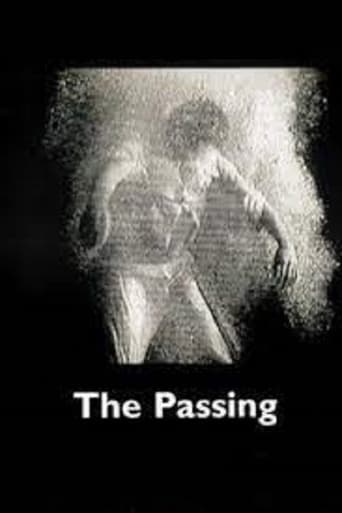
    Internationally acclaimed and award-winning video installation artist Bill Viola juxtaposes personal pictures of his mother's death with images of his own son's birth to explore foundational and potent themes of beginnings and endings, the cycle of life and the movement of generations. An evocative exploration of personal and communal spirituality, this deeply felt film is a poetic masterpiece to contemplate time and again.

    img
  • 1979
    imgMovies

    Moonblood

    Moonblood

    1 1979 HD

    Viola describes Moonblood as "an expression of the feminine principle, a work in three parts relating to a personal concept of woman and mother. Day and night converge within the silhouette of a woman at a window — a rushing waterfall in winter, and the serene interplay of changing dawn light unfolds within a glass of water at dawn in the desert."

    img
  • 1980
    imgMovies

    Vegetable Memory

    Vegetable Memory

    1 1980 HD

    The title of Vegetable Memory derives from the writings of Jalaludin Rumi, a 13th-century Persian poet. Evolving as what Viola terms a "kind of temporal magnifying glass," the work explores the perceptual phenomenon of repetitive, cyclic viewing. A loop of images recorded at the Tsukiji fish market in Tokyo is extended in progressively slower cycles, changing the form, feeling and ultimately the meaning of the original images as they move further into the subjective and pictorial.

    img
  • 1986
    imgMovies

    Silent Life

    Silent Life

    1 1986 HD

    Silent Life records the first hours and days of life through a series of portraits of newborn babies in a hospital nursery. The alienating hospital environment, and the vulnerability of the babies' gestures and expressions, suggests a primal linking of birth and death.

    img
  • 1992
    imgMovies

    Slowly Turning Narrative

    Slowly Turning Narrative

    1 1992 HD

    Slowly Turning Narrative includes two projections on a large central rotating screen. One presents images of virtually everything that constitutes life, embracing the broadest sweep from birth to death. The other shows a close-up of Viola’s head incanting “the one who lives,” “the one who acts,” “the one who reads,” and more. As this screen rotates, a mirror on the back comes into view, reflecting the image of the viewer in this video evocation of human existence.

    img
  • 1977
    imgMovies

    Memories Of Ancestral Power

    Memories Of Ancestral Power

    1 1977 HD

    The rituals and philosophies of indigenous non-Western cultures recur throughout Viola's work. In 1976, he travelled to the Solomon Islands with portable color video equipment, which was then a new technology. The first of two "visionary documentaries" produced during his two-month stay, Memories of Ancestral Power centers on the cult leader Moro and his efforts to retain ancient traditions in the face of increasing Western influence. In this collaboration of Viola, Moro, and his followers, much of the structure and content of the recordings were determined by the subjects themselves. Moro explains his vision during the course of a visit to the House of Memories and other sacred sites in the village.

    img
  • 1983
    imgMovies

    Anthem

    Anthem

    6.3 1983 HD

    A series of shots depicting "America" are laid over a classic Gregorian Chant recreated through the distortion of a woman's screams.

    img
  • 1981
    imgMovies

    Hatsu Yume (First Dream)

    Hatsu Yume (First Dream)

    6.4 1981 HD

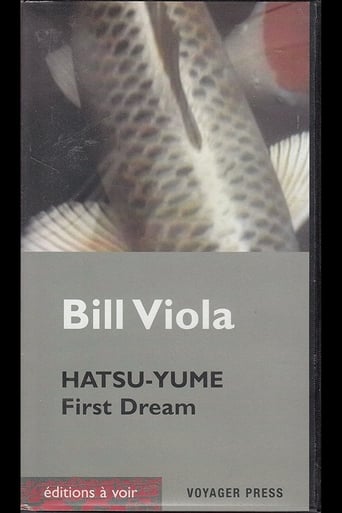
    With a title referring to Japanese folklore, wherein things done on the first day of a new year are significant, the film - an ardent dream entirely shot in Japan - stands as a spiritual allegory equating light and dark with life and death.

    img
  • 1995
    imgMovies

    The Veiling

    The Veiling

    1 1995 HD

    The sculptural video installation consists of nine scrims suspended parallel to one another. Projectors at either end of the row of scrims show images of a man and a woman walking towards each other, crossing in the center and moving apart.

    img
  • 1982
    imgMovies

    Ancient of Days

    Ancient of Days

    7.1 1982 HD

    Ancient of Days is a remarkable series of "canons and fugues for video" that comprises Viola's most sophisticated structural and metaphorical explorations of time. Mathematical notations of precise time-code editing were applied to construct illustrations of temporal symmetry, duality and transposition — time-based equivalents of musical compositional principles such as counterpoint and serialism. Astonishing temporal interventions — a 180-degree pan gazing downward on a New York City street that progresses from day to night, an image of Mount Rainier in which the foreground and background unfold in different time planes — unfold as symbolic transformations of natural and urban landscapes.

    img
  • 1979
    imgMovies

    Chott el-Djerid (A Portrait in Light and Heat)

    Chott el-Djerid (A Portrait in Light and Heat)

    6.3 1979 HD

    Driven by a quest to capture a landscape reduced to flatness and sky, Viola travels to Chott El-Djerid. The film opens with images of snowy prairies and winter scenes, mirrored by warm, vibrating desert vistas. Through powerful telephoto lenses, shimmering mirages and warped forms emerge under extreme heat and light. These visuals evoke a space where dream and waking reality merge. Viola’s journey transcends documentation, transforming viewing into a reflective exploration of the limits of perception.

    img
  • 1986
    imgMovies

    I Do Not Know What It Is I Am Like

    I Do Not Know What It Is I Am Like

    6.7 1986 HD

    "I Do Not Know What It Is that I Am Like" juxtaposes images of animals, both wild and domestic, and natural environments with human activity as it takes place in an apartment, and during a fire walking ceremony in Fiji. Documentary-style footage is combined with staged events. Despite the piece's lack of a traditional narrative, it bears some relationship to nature works. The segment features material from "Il Corpo Scuro (The dark body)" - animals and natural environments are seen up close and at a distance.

    img
  • 1992
    imgMovies

    The Nantes Triptych

    The Nantes Triptych

    1 1992 HD

    The three panels of Bill Viola’s triptych show video footage of birth (on the left), death (on the right) and a metaphorical journey between the two represented by a body floating in water (in the centre).

    img
  • 1976
    imgMovies

    Migration (for Jack Nelson)

    Migration (for Jack Nelson)

    6 1976 HD

    Migration is an analysis of an image, a metaphorical exercise in perception and representation, illusion and reality, microcosm and macrocosm, nature and consciousness.

    img
  • 1976
    imgMovies

    Migration (for Jack Nelson)

    Migration (for Jack Nelson)

    6 1976 HD

    Migration is an analysis of an image, a metaphorical exercise in perception and representation, illusion and reality, microcosm and macrocosm, nature and consciousness.

    img
  • 1976
    imgMovies

    Migration (for Jack Nelson)

    Migration (for Jack Nelson)

    6 1976 HD

    Migration is an analysis of an image, a metaphorical exercise in perception and representation, illusion and reality, microcosm and macrocosm, nature and consciousness.

    img
  • 2004
    imgMovies

    The Raft

    The Raft

    1 2004 HD

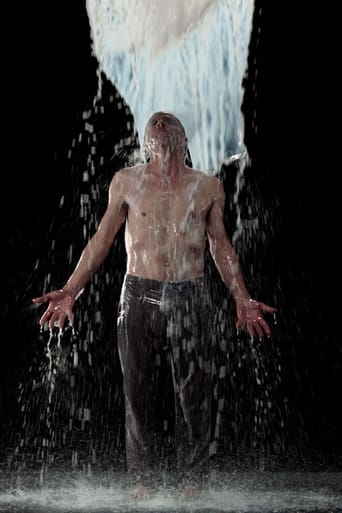
    A small crowd of people are gathered in wait when they are suddenly struck by a massive onslaught of water.

    img
  • 2005
    imgMovies

    Tristan’s Ascension (The Sound of a Mountain Under a Waterfall)

    Tristan’s Ascension (The Sound of a Mountain Under a Waterfall)

    8 2005 HD

    The ascent of the soul in the space after death as it is awakened and drawn up in a backwards flowing waterfall.

    img
  • 1989
    imgMovies

    Angel's Gate

    Angel's Gate

    6 1989 HD

    Writes Viola: "A succession of individual images focusing on mortality, decay and disintegration, are delineated by long, slow fades to black. The image sequences — fruit falling from a tree, a candle being extinguished, a family having a flash photograph taken — appear as a series of openings or momentary glimpses into nature's essential gestures which, like thoughts, are destined to fade and themselves disintegrate into obscurity and oblivion. Peak moments illuminate the dim confines of memory and forgetting with a kind of universal light, as a baby emerges into the world before our eyes, and the camera-eye moves along a dark concrete tunnel towards the rigid steel bars of a locked gate, where it finally passes through and out into the bright world, liberated by the consuming, saturated white light of its own overexposure."

    img
  • 1989
    imgMovies

    Angel's Gate

    Angel's Gate

    6 1989 HD

    Writes Viola: "A succession of individual images focusing on mortality, decay and disintegration, are delineated by long, slow fades to black. The image sequences — fruit falling from a tree, a candle being extinguished, a family having a flash photograph taken — appear as a series of openings or momentary glimpses into nature's essential gestures which, like thoughts, are destined to fade and themselves disintegrate into obscurity and oblivion. Peak moments illuminate the dim confines of memory and forgetting with a kind of universal light, as a baby emerges into the world before our eyes, and the camera-eye moves along a dark concrete tunnel towards the rigid steel bars of a locked gate, where it finally passes through and out into the bright world, liberated by the consuming, saturated white light of its own overexposure."

    img
  • 1989
    imgMovies

    Angel's Gate

    Angel's Gate

    6 1989 HD

    Writes Viola: "A succession of individual images focusing on mortality, decay and disintegration, are delineated by long, slow fades to black. The image sequences — fruit falling from a tree, a candle being extinguished, a family having a flash photograph taken — appear as a series of openings or momentary glimpses into nature's essential gestures which, like thoughts, are destined to fade and themselves disintegrate into obscurity and oblivion. Peak moments illuminate the dim confines of memory and forgetting with a kind of universal light, as a baby emerges into the world before our eyes, and the camera-eye moves along a dark concrete tunnel towards the rigid steel bars of a locked gate, where it finally passes through and out into the bright world, liberated by the consuming, saturated white light of its own overexposure."

    img
  • 1977
    imgMovies

    Guadalcanal Requiem

    Guadalcanal Requiem

    7 1977 HD

    One of Paik’s most overtly political and poignant statements, Guadalcanal Requiem is a performance/documentary collage that confronts history, time, cultural memory and mythology on the site of one of World War II’s most devastating battles.

    img
  • 1979
    imgMovies

    The Reflecting Pool

    The Reflecting Pool

    5.3 1979 HD

    Viola's seminal piece, The Reflecting Pool, was made three decades ago on analogue video tape and yet could easily pass for a contemporary digital piece; in it, Viola emerges as central protagonist from a thick forest into a clearing filled by an artificial pool. As the noise of an aeroplane slowly passes and fades overhead, Viola approaches the edge of the pool, whereby he removes his shoes, squats down yelling and then prepares to make a powerful jump.

    img
  • 1976
    imgMovies

    Migration (for Jack Nelson)

    Migration (for Jack Nelson)

    6 1976 HD

    Migration is an analysis of an image, a metaphorical exercise in perception and representation, illusion and reality, microcosm and macrocosm, nature and consciousness.

    img
  • 1995
    imgMovies

    The Greeting

    The Greeting

    1 1995 HD

    Inspired by a painting of the Visitation (1528-29) by the Italian artist Pontormo, The Greeting is a video image sequence involving the interactions between three women that is projected onto a screen mounted to the wall of a dark room. In an industrial urban landscape, two women are engaged in conversation when they are interrupted by the arrival of a third woman. The new woman greets the older of the two, apparently her friend, while ignoring the other. She then whispers an urgent message in her friend's ear, further isolating the other woman. With an underlying awkwardness, introductions are made and pleasantries exchanged between the three.

    img
  • 2005
    imgMovies

    Fire Woman

    Fire Woman

    8 2005 HD

    2005. Video/sound installation. Performer: Robin Bonaccorsi.

    img
  • 1983
    imgMovies

    Reasons for Knocking at an Empty House

    Reasons for Knocking at an Empty House

    5.2 1983 HD

    Viola experimental short

    img
  • 1983
    imgMovies

    Reasons for Knocking at an Empty House

    Reasons for Knocking at an Empty House

    5.2 1983 HD

    Viola experimental short

    img
  • 2011
    imgMovies

    A Phrase from Chris

    A Phrase from Chris

    9 2011 HD

    “Transfiguration refers to a rare process whereby both the substance and essence of an entity is reconfigured. In physical terms, a transfiguration is a change in form, a remodeling of appearance. The word derives from the ancient Greek ‘metemorphothe’ or 'metamorphosis,’ suggesting a complete reformation. However, the word takes on its fullest meaning in the spiritual context when it refers to the moment when a person or an object is transformed not by external means but from within. The resulting change is absolute and thorough, affecting the heart and soul of the subject. Although the outward appearance can sometimes be altered in this process as well, it is not necessary. A deeper, more profound, complete transformation occurs inside, out of sight and, for a person it reformulates the very fiber of their being, finally radiating outward to affect everything around it.”

    img
  • 1976
    imgMovies

    Truth Through Mass Individuation

    Truth Through Mass Individuation

    1 1976 HD

    The title of Truth Through Mass Individuation references Carl Jung. An isolated figure is seen performing successively more aggressive actions — dropping a cymbal among a flock of pigeons, firing a rifle in a deserted city street. In the fourth and final stage, his luminous image, spotlit against the dark night, merges in the distance with a roaring crowd in an outdoor stadium.

    img
  • 1976
    imgMovies

    The Space Between the Teeth

    The Space Between the Teeth

    7 1976 HD

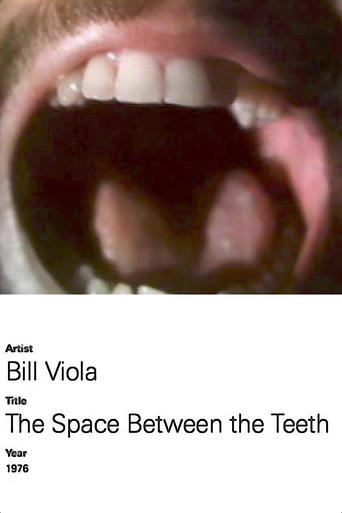
    The Space Between the Teeth is based on the structure of acoustic phenomena and the psychological dynamics of a man screaming at the end of a long dark corridor. With each successive scream, the camera point of view hurtles at high velocity along the length of the hallway in decreasing increments. The corridor and the cinematic structuring of the camera's advance act as metaphors for passage and transition between two worlds, bridged by the individual's cathartic screams. Ultimately, the image of the man at the end of the corridor is transformed into a Polaroid still that is literally washed away.

    img
  • 1976
    imgMovies

    Songs of Innocence

    Songs of Innocence

    1 1976 HD

    Songs of Innocence, which directly references the visionary Romanticism of William Blake, is haunted with symbolic transformations, as shifting light is charted through the passage of a day. Images of children singing on a school lawn dissolve and reappear, hovering at the edge of perception, illusion and reality, evoking what Viola terms "a visual relationship between memory, the setting of the sun, and death."

    img
  • 1976
    imgMovies

    Junkyard Levitation

    Junkyard Levitation

    1 1976 HD

    Junkyard Levitation is a visual pun on the concept of "mind over matter," as a man attempts to levitate while lying prone in a junkyard. Writes Viola, "Scrap metal technology and video technology are united to temporarily break the known laws of science and prove that psychokinesis is valid within a given frame of reference.

    img
  • 1976
    imgMovies

    Four Songs

    Four Songs

    1 1976 HD

    In terming these tapes "songs," Viola references the relation of his work to musical structures and to the poetics of Romanticism. 4 tapes (Junkyard Levitation, Songs of Innocence, The Space Between the Teeth, Truth Through Mass Individuation)

    img
  • 1986
    imgMovies

    Sodium Vapor

    Sodium Vapor

    1 1986 HD

    Writes Viola: "Sodium Vapor was recorded over a period of several weeks in the hours between one and five in the morning on the streets of an industrial area in lower Manhattan. The title derives from an interest in the particular qualities of sodium vapor street lighting — its characteristic color temperature, the shadows it casts, and the eerie quality it seems to impart to the objects it illuminates. The essence of the work is the spell which the hour has over the physical spaces of the streets in the early morning. There is always the unseen presence of the large number of people surrounding you, most of them sleeping; the camera is awake in their dreamtime. The recording of these locations in the middle of the night rather than in daylight represents a transformation — like figure/ground reversal — of these physical spaces from the familiar thoughts and activities of the day to the nighttime shadows of emptiness and obscurity."

    img
  • 1975
    imgMovies

    Playing Soul Music to My Freckles

    Playing Soul Music to My Freckles

    7 1975 HD

    Playing Soul Music to My Freckles is a minimalist performance in which a bare loudspeaker, playing an Aretha Franklin song, is seen on the artist's exposed back.

    img
  • 1975
    imgMovies

    A Non-Dairy Creamer

    A Non-Dairy Creamer

    9 1975 HD

    Viola describes A Non-Dairy Creamer as "the eradication of the individual by self-consumption." The artist's face, visible only as a reflected image on the surface of a cup of black coffee, slowly disappears as he consumes the coffee.

    img
  • 1975
    imgMovies

    The Semi-Circular Canals

    The Semi-Circular Canals

    1 1975 HD

    The title of The Semi-Circular Canals refers to the portion of the human ear that regulates balance. Viola constructed a platform on which he and the recording equipment counterbalanced one another, while freely suspended from a large tree. The artist appears to be sitting calmly at the center of the universe as the earth rotates. He writes, "The tape was inspired by NASA films and develops references to cosmological cycles, with the individual at the rotational center of their universe."

    img
  • 1975
    imgMovies

    A Million Other Things (2)

    A Million Other Things (2)

    1 1975 HD

    In A Million Other Things (2), changes in light and sound on the edge of a pond during an eight-hour period from day to night are composed in rhythmic variations resembling music. When the sun sets, an individual in the landscape remains the sole visible object, illuminated by a single electric lamp.

    img
  • 1975
    imgMovies

    Return

    Return

    6.952 1975 HD

    Return is a methodical construction of the approach of an individual towards an unseen goal, which assumes metaphorical significance. Viola moves toward the camera/viewer, pausing every few steps to ring a bell, at which point he is momentarily thrust back to his starting place, and then advanced again. Finally reaching his destination, he is taken through all of the previous stages in a single instant and returned to the source of his journey.

    img
  • 1975
    imgMovies

    Red Tape: Collected Works

    Red Tape: Collected Works

    1 1975 HD

    Red Tape -- Collected Works Bill Viola 1975, 30 min, color, sound Playing Soul Music to My Freckles 1975, 2:46 min, color, sound A Non-Dairy Creamer 1975, 5:19 min, color, sound The Semi-Circular Canals 1975, 8:51 min, color, sound A Million Other Things (2) 1975, 4:35 min, color, sound Return 1975, 7:15 min, color, sound

    img
  • 1994
    imgMovies

    Déserts

    Déserts

    6 1994 HD

    Déserts was created to accompany a live performance of the work of avant-garde composer Edgard Varèse (1885-1965). The Ensemble Modern, a contemporary music group based in Frankfurt, commissioned Viola to create a visual score for Varèse's Déserts after discovering notes by the composer referring to an unrealized image component of his composition. The resulting film/videotape was produced with the European television stations ZDF/Arte. In October 1994 Viola's Déserts premiered in a live performance in Vienna with conductor Peter Eötvös and the Ensemble Modern.

    img
  • 1992
    imgMovies

    Heaven and Earth

    Heaven and Earth

    1 1992 HD

    Continuously running video installation: in a small alcove, a wood column extends from the floor and ceiling, with a gap in the center formed by two exposed video monitors facing each other two inches apart, mounted to upper and lower columns respectively, a black-and-white video image on each monitor. The upper monitor shows a close-up image of an old woman on the verge of death, and the lower monitor shows a close-up image of a new baby only days old. The images are silent. Since the surface of each monitor screen is glass, a reflected image of the screen opposite to it can be seen through the surface of each image, as life and death reflect and contain each other.

    img
  • 2001
    imgMovies

    Surrender

    Surrender

    1 2001 HD

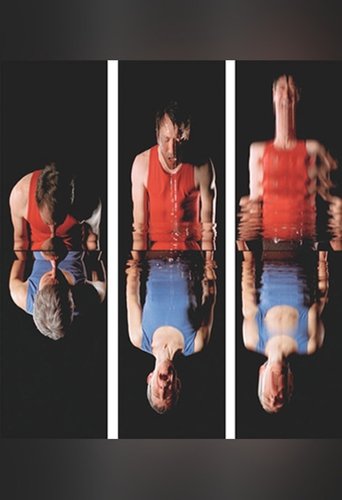
    Installation on two screens where the two characters burst into tears, gradually lowering their heads until their faces touch the water.

    img
  • 2002
    imgMovies

    Going Forth By Day

    Going Forth By Day

    1 2002 HD

    The film is a five-part projection-based installation, which addresses the complexity of human existence through the themes of individuality, society, death and rebirth. Each video is projected directly onto the wall of the exhibition space, just as paint from a fresco adheres to the surface of a plaster wall.

    img
  • 2014
    imgMovies

    Inverted Birth

    Inverted Birth

    1 2014 HD

    American video artist Bill Viola explores the life cycle as an enveloping whole instead of the hegemonic view of life as a linear progression. The artist considers human beings' existence on earth as a cycle where the beginning and end may be the same. Projected onto a screen more than seven meters high anchored to the floor, "Inverted Birth" depicts five stages of human awakening through a series of violent transformations.

    img
  • 2013
    imgMovies

    Man Searching for Immortality/Woman Searching for Eternity

    Man Searching for Immortality/Woman Searching for Eternity

    1 2013 HD

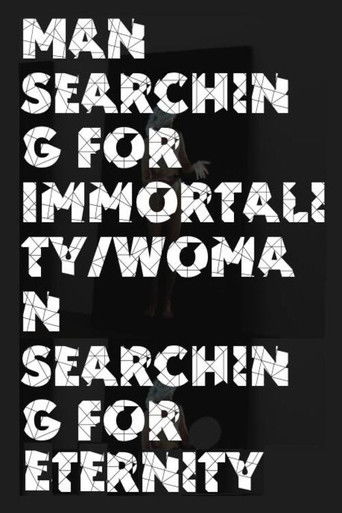
    Two naked, life-sized figures, each around 70 years old, track torches across their aging epidermises as if rooting out the pattern of their pasts. The skin itself becomes a metaphor for lived experience and the prospect of its termination.

    img
  • 2008
    imgMovies

    Three Women

    Three Women

    1 2008 HD

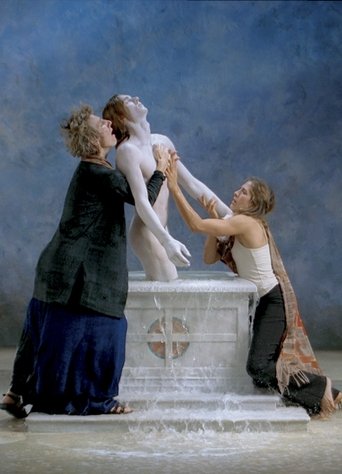
    Part of Bill Viola's "Transfigurations" series, this work shows a mother and her daughters enacting a transfiguration when they choose to pass through a threshold of water and briefly enter an illuminated realm.

    img
  • 2013
    imgMovies

    The Dreamers

    The Dreamers

    1 2013 HD

    Seven vertically mounted screens show seven fully clothed submerged people of different ages, genders and ethnicities floating beneath the surface of a river or lake.

    img
  • 2004
    imgMovies

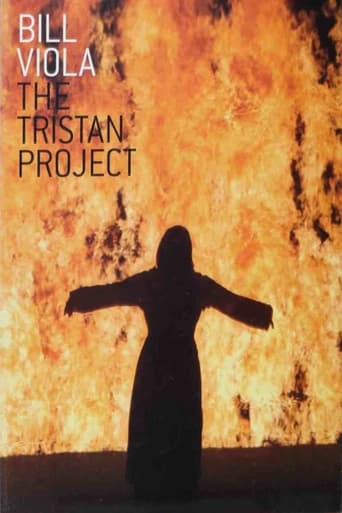
    The Tristan Project

    The Tristan Project

    1 2004 HD

    A four-hour plus video production inspired by Richard Wagner's oeuvre "Tristan und Isolde" and projected during the opera premiere in Paris, in partnership with Peter Sellars as artistic collaborator, and conductor Esa-Pekka Salonen.

    img
  • 2002
    imgMovies

    Fire Birth

    Fire Birth

    1 2002 HD

    img
  • 2002
    imgMovies

    The Path

    The Path

    1 2002 HD

    img
  • 1996
    imgMovies

    The Crossing

    The Crossing

    1 1996 HD

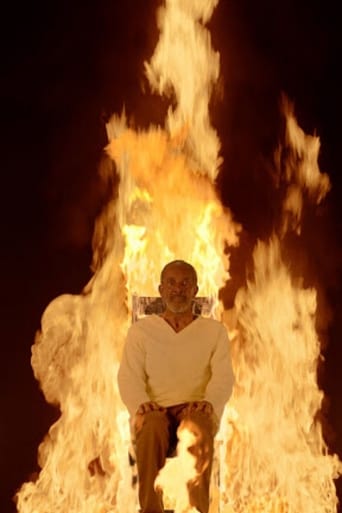
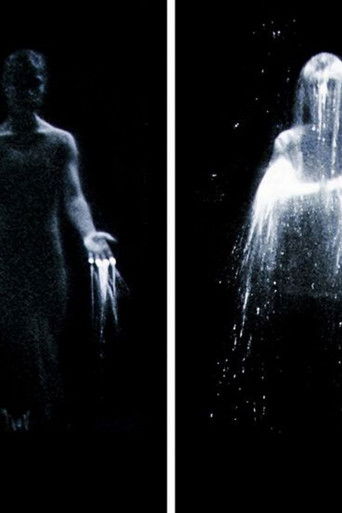
    In this work's left panel, The Crossing (1996), a walking male figure is consumed by fire on a 27-foot vertical plasma screen projection while in the accompanying right panel, The Crossing, Video 2 (1996), the same man struggles under a deluge of water.

    img
  • 1977
    imgMovies

    Sweet Light

    Sweet Light

    5 1977 HD

    Using a camera moving along a predetermined path to create the effect of a simulated zoom, Sweet Light refers to the seduction of illumination, focusing on the phototropic vision of a moth. Writes Viola, "A moth emerges from a discarded letter as the spirit of a dead thought and — after an attempted flight to freedom — an individual appears, is inexorably drawn into the source of light, and consumed."

    img
  • 1977
    imgMovies

    Memory Surfaces and Mental Prayers

    Memory Surfaces and Mental Prayers

    1 1977 HD

    Memory Surfaces and Mental Prayers is a collection of works that address the desire to transcend the perceptual and cognitive structures of experience.

    img
  • 1977
    imgMovies

    The Wheel of Becoming

    The Wheel of Becoming

    1 1977 HD

    Viola describes The Wheel of Becoming as concerning "the notion of the parallel nature of reality, that is, simultaneous events separated in space." A mandala-like form, divided into four quadrants, unifies four events by four individuals in four separate spaces. These alternately converge and separate through timed camera movements, coincident actions and common elements of the landscape.

    img
  • 1989
    imgMovies

    Angel's Gate

    Angel's Gate

    6 1989 HD

    Writes Viola: "A succession of individual images focusing on mortality, decay and disintegration, are delineated by long, slow fades to black. The image sequences — fruit falling from a tree, a candle being extinguished, a family having a flash photograph taken — appear as a series of openings or momentary glimpses into nature's essential gestures which, like thoughts, are destined to fade and themselves disintegrate into obscurity and oblivion. Peak moments illuminate the dim confines of memory and forgetting with a kind of universal light, as a baby emerges into the world before our eyes, and the camera-eye moves along a dark concrete tunnel towards the rigid steel bars of a locked gate, where it finally passes through and out into the bright world, liberated by the consuming, saturated white light of its own overexposure."

    img
  • 1977
    imgMovies

    The Morning After the Night of Power

    The Morning After the Night of Power

    1 1977 HD

    The title of The Morning After the Night of Power refers to a passage of the Koran in which angels descend from the heavens to impart the divine inspiration to followers. The central image of the tape is a blue vase standing motionless on a table. This object is framed by a dramatic interplay of light, shadow and movement, which is registered by a fixed camera over an extended period of time. Writes Viola, "As the condensed stillness of pure duration becomes activity, events hover at the edge of awareness until a final culminating action of transcendent liberation."

    img
  • 1994
    imgMovies

    Déserts

    Déserts

    6 1994 HD

    Déserts was created to accompany a live performance of the work of avant-garde composer Edgard Varèse (1885-1965). The Ensemble Modern, a contemporary music group based in Frankfurt, commissioned Viola to create a visual score for Varèse's Déserts after discovering notes by the composer referring to an unrealized image component of his composition. The resulting film/videotape was produced with the European television stations ZDF/Arte. In October 1994 Viola's Déserts premiered in a live performance in Vienna with conductor Peter Eötvös and the Ensemble Modern.

    img
  • 1975
    imgMovies

    Return

    Return

    6.952 1975 HD

    Return is a methodical construction of the approach of an individual towards an unseen goal, which assumes metaphorical significance. Viola moves toward the camera/viewer, pausing every few steps to ring a bell, at which point he is momentarily thrust back to his starting place, and then advanced again. Finally reaching his destination, he is taken through all of the previous stages in a single instant and returned to the source of his journey.

    img
  • 2004
    imgMovies

    The Raft

    The Raft

    1 2004 HD

    A small crowd of people are gathered in wait when they are suddenly struck by a massive onslaught of water.

    img
  • 2014
    imgMovies

    Martyrs

    Martyrs

    1 2014 HD

    Created by Bill Viola and Kira Perov and opened in May 2014, Martyrs shows four individuals, across four colour vertical plasma screens, being martyred by the four classical elements. The work has no sound. It lasts for seven minutes. Martyrs was joined in 2016 by a second piece entitled Mary. The installations have been gifted to Tate, and are on long-term loan to St Paul’s Cathedral. Bill Viola's commission for St Paul’s Cathedral follows the great historical tradition of commissions for spiritual centres that has resulted in a priceless heritage of art around the world. The result of this commission sees St Paul’s Cathedral, which has always spearheaded the engagement of great artists, house a resonant work of art for our times. Martyrs (and later Mary), will play an important role in connecting contemporary issues with the timeless themes embodied in the cathedral.

    img
  • 1977
    imgMovies

    He Weeps for You

    He Weeps for You

    1 1977 HD

    A drop of water emerging from a small brass valve is magnified by a video camera and projected on a large screen. The close-up image reveals that the viewer and part of the room where they stand are visible inside each forming drop.

    img
  • 2007
    imgMovies

    Ocean Without a Shore

    Ocean Without a Shore

    6 2007 HD

    Offering a series of encounters at the intersection between life and death, the work documents a succession of people slowly emerging out of darkness and moving into the light, where Viola's figures are like those of a modern day Orpheus.

    img
  • 2000
    imgMovies

    Eternal Return

    Eternal Return

    1 2000 HD

    Video on two flat-screen monitors with sound

    img
  • 2016
    imgMovies

    Mary

    Mary

    1 2016 HD

    Moving through its five parts, the work describes a cycle of birth through to death, depicting both an eternal, universal Mary, and an earthly Mary representing human life on Earth.

    img
  • 2016
    imgMovies

    Mary

    Mary

    1 2016 HD

    Moving through its five parts, the work describes a cycle of birth through to death, depicting both an eternal, universal Mary, and an earthly Mary representing human life on Earth.

    img
  • 1986
    imgMovies

    I Do Not Know What It Is I Am Like

    I Do Not Know What It Is I Am Like

    6.7 1986 HD

    "I Do Not Know What It Is that I Am Like" juxtaposes images of animals, both wild and domestic, and natural environments with human activity as it takes place in an apartment, and during a fire walking ceremony in Fiji. Documentary-style footage is combined with staged events. Despite the piece's lack of a traditional narrative, it bears some relationship to nature works. The segment features material from "Il Corpo Scuro (The dark body)" - animals and natural environments are seen up close and at a distance.

    img
  • 1986
    imgMovies

    I Do Not Know What It Is I Am Like

    I Do Not Know What It Is I Am Like

    6.7 1986 HD

    "I Do Not Know What It Is that I Am Like" juxtaposes images of animals, both wild and domestic, and natural environments with human activity as it takes place in an apartment, and during a fire walking ceremony in Fiji. Documentary-style footage is combined with staged events. Despite the piece's lack of a traditional narrative, it bears some relationship to nature works. The segment features material from "Il Corpo Scuro (The dark body)" - animals and natural environments are seen up close and at a distance.

    img
  • 2002
    imgMovies

    The Voyage

    The Voyage

    1 2002 HD

    The fourth video in the five-part digital-image cycle project "Going Forth By Day" (2002), "The Voyage" features an elderly man who is dying, surrounded by his family, as a boat below filled with his possessions awaits him.

    img
  • 2018
    imgMovies

    Wagner: Tristan und Isolde

    Wagner: Tristan und Isolde

    1 2018 HD

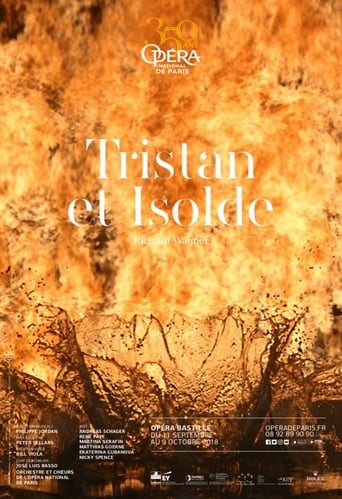
    Motivated by the love that bound him to Mathilda Wesendonck, Richard Wagner’s composition of Tristan und Isolde goes far beyond any simple operatic gesture. Peter Sellars’ production pours oil onto this troubled sea of emotions in an almost dematerialised setting bared of all earthly contingencies whilst Bill Viola presents the lovers’ initiatory quest for nirvana in videos detached from the stage, suspended like altarpieces.

    img
  • 1979
    imgMovies

    The Reflecting Pool

    The Reflecting Pool

    5.3 1979 HD

    Viola's seminal piece, The Reflecting Pool, was made three decades ago on analogue video tape and yet could easily pass for a contemporary digital piece; in it, Viola emerges as central protagonist from a thick forest into a clearing filled by an artificial pool. As the noise of an aeroplane slowly passes and fades overhead, Viola approaches the edge of the pool, whereby he removes his shoes, squats down yelling and then prepares to make a powerful jump.

    img
  • 1979
    imgMovies

    The Reflecting Pool

    The Reflecting Pool

    5.3 1979 HD

    Viola's seminal piece, The Reflecting Pool, was made three decades ago on analogue video tape and yet could easily pass for a contemporary digital piece; in it, Viola emerges as central protagonist from a thick forest into a clearing filled by an artificial pool. As the noise of an aeroplane slowly passes and fades overhead, Viola approaches the edge of the pool, whereby he removes his shoes, squats down yelling and then prepares to make a powerful jump.

    img
  • 2000
    imgMovies

    Ascension

    Ascension

    1 2000 HD

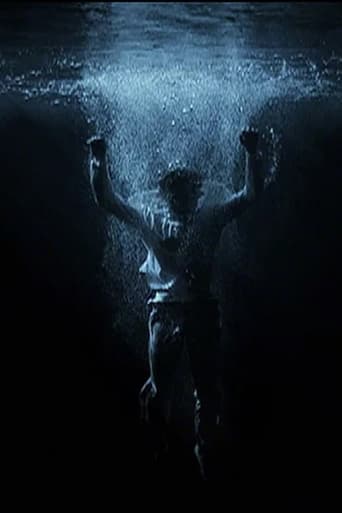
    A man sinks down rapidly into the watery depths, but his inevitable and extended ascension's entire sequence, which was only a few seconds in real time, is slowed down into seven minutes of extreme duration, as if he is reaching Heaven.

    img
  • 1994
    imgMovies

    Déserts

    Déserts

    6 1994 HD

    Déserts was created to accompany a live performance of the work of avant-garde composer Edgard Varèse (1885-1965). The Ensemble Modern, a contemporary music group based in Frankfurt, commissioned Viola to create a visual score for Varèse's Déserts after discovering notes by the composer referring to an unrealized image component of his composition. The resulting film/videotape was produced with the European television stations ZDF/Arte. In October 1994 Viola's Déserts premiered in a live performance in Vienna with conductor Peter Eötvös and the Ensemble Modern.

    img
  • 1994
    imgMovies

    Déserts

    Déserts

    6 1994 HD

    Déserts was created to accompany a live performance of the work of avant-garde composer Edgard Varèse (1885-1965). The Ensemble Modern, a contemporary music group based in Frankfurt, commissioned Viola to create a visual score for Varèse's Déserts after discovering notes by the composer referring to an unrealized image component of his composition. The resulting film/videotape was produced with the European television stations ZDF/Arte. In October 1994 Viola's Déserts premiered in a live performance in Vienna with conductor Peter Eötvös and the Ensemble Modern.

    img
  • 1981
    imgMovies

    Hatsu Yume (First Dream)

    Hatsu Yume (First Dream)

    6.4 1981 HD

    With a title referring to Japanese folklore, wherein things done on the first day of a new year are significant, the film - an ardent dream entirely shot in Japan - stands as a spiritual allegory equating light and dark with life and death.

    img
  • 1981
    imgMovies

    Hatsu Yume (First Dream)

    Hatsu Yume (First Dream)

    6.4 1981 HD

    With a title referring to Japanese folklore, wherein things done on the first day of a new year are significant, the film - an ardent dream entirely shot in Japan - stands as a spiritual allegory equating light and dark with life and death.

    img
  • 1981
    imgMovies

    Hatsu Yume (First Dream)

    Hatsu Yume (First Dream)

    6.4 1981 HD

    With a title referring to Japanese folklore, wherein things done on the first day of a new year are significant, the film - an ardent dream entirely shot in Japan - stands as a spiritual allegory equating light and dark with life and death.

    img
  • 1981
    imgMovies

    Hatsu Yume (First Dream)

    Hatsu Yume (First Dream)

    6.4 1981 HD

    With a title referring to Japanese folklore, wherein things done on the first day of a new year are significant, the film - an ardent dream entirely shot in Japan - stands as a spiritual allegory equating light and dark with life and death.

    img
  • 2005
    imgMovies

    Tristan’s Ascension (The Sound of a Mountain Under a Waterfall)

    Tristan’s Ascension (The Sound of a Mountain Under a Waterfall)

    8 2005 HD

    The ascent of the soul in the space after death as it is awakened and drawn up in a backwards flowing waterfall.

    img
  • 2003
    imgMovies

    Emergence

    Emergence

    5 2003 HD

    img
  • 2012
    imgMovies

    The Encounter

    The Encounter

    1 2012 HD

    img
  • 1984
    imgMovies

    Reverse Television - Portraits of Viewers

    Reverse Television - Portraits of Viewers

    6 1984 HD

    "Reverse Television" was created in the mid-1980's by video artist Bill Viola. The 30-second portraits were about portraiture and the idea of a person staring at the viewer (as the viewer stares at the TV screen). Conceived of as a "micro-series," the work features 42 30-second portraits of television viewers in their living rooms. The portraits appear very formally composed, with attention paid to composition, lighting, and color. The viewers sit quietly, only occasionally making a slight shift in position. No external sound score has been added, so that the only sounds heard are sync sounds that have been heightened. These sounds include viewers' clothing when they move, swallowing, and background noises, such as traffic outside the viewer's home or a dog barking in the distance.

    img
  • 1983
    imgMovies

    Anthem

    Anthem

    6.3 1983 HD

    A series of shots depicting "America" are laid over a classic Gregorian Chant recreated through the distortion of a woman's screams.

    img
  • 1979
    imgMovies

    Moving Stillness: Mount Rainier 1979
    Moving Stillness: Mount Rainier 1979
    1 1979 HD

    Moving Stillness: Mount Rainier 1979, by incorporating a large body of water, with video and sound recordings of nature, was pioneering in its use of mixed media. It is a meditation on the fragility of nature and our perception of its changes over time. A screen is suspended above a large shallow pool of water. A projector with three separate beams (one each for red, green and blue light) sends an image of Mount Rainier to the surface of the water that then bounces up to reach the rear projection screen. At periodic intervals, the water’s surface is manually disturbed causing the three beams of color to separate, until finally becoming an unrecognizable pattern of form and color. Slowly the water settles, to once more form a coherent image after the surface vibrations subside.

    img
  • 1992
    imgMovies

    The Sleepers

    The Sleepers

    1 1992 HD

    The Sleepers is a startlingly dark vision of sleeping people suspended under water, unable to make contact with the world outside. Viola describes the work: “Seven 55-gallon metal barrels stand in a darkened room. They are white inside and out and are open at the top. The only light in the room is a soft bluish glow emerging from each barrel and diffused throughout the room. The barrels are filled to the brim with water. At the bottom of each one under the water is a black-and-white video monitor facing straight up, the source of the blue light. Video and power cables for the monitor are visible as they emerge from the floor and enter the water over the top rim of each barrel. On each screen is a close-up of a person’s face while asleep. There is an image of a different person in each barrel, actual recordings of people sleeping presented continuously with little or no editing.

    img
  • 1970
    imgMovies

    The Crossing

    The Crossing

    6 1970 HD

    A man is stands under a steadily growing stream of water, while simultaneously being engulfed in flames on another screen.

    img
  • 1973
    imgMovies

    Information

    Information

    1 1973 HD

    Information is an exercise in technological reflexivity, an early investigation of the material presence of the electronic medium. From a technical mistake, in which a videotape recorder tried to record itself, Viola constructed a study of electronic anarchy — a disintegrating and self-interrupting signal that perpetually reiterates itself. He writes: "Information is the manifestation of an aberrant electronic nonsignal passing through the video switcher in a normal color TV studio, and being retrieved at various points along its path. The resulting electronic perturbations affected everything else in the studio. After this error was discovered and traced back, it became possible to sit at the switcher as if it were a musical instrument and learn to 'play' this nonsignal."

    img
  • 1979
    imgMovies

    Chott el-Djerid (A Portrait in Light and Heat)

    Chott el-Djerid (A Portrait in Light and Heat)

    6.3 1979 HD

    Driven by a quest to capture a landscape reduced to flatness and sky, Viola travels to Chott El-Djerid. The film opens with images of snowy prairies and winter scenes, mirrored by warm, vibrating desert vistas. Through powerful telephoto lenses, shimmering mirages and warped forms emerge under extreme heat and light. These visuals evoke a space where dream and waking reality merge. Viola’s journey transcends documentation, transforming viewing into a reflective exploration of the limits of perception.

    img
  • 2001
    imgMovies

    Catherine's Room

    Catherine's Room

    1 2001 HD

    This video work is one of a group of pieces known as 'The Passions' which explores human emotions, inspired by early European devotional paintings. The five screens show different times of the day – morning, afternoon, sunset, evening and night. Each scene shows the female protagonist at a different task, from yoga exercises in the morning through to lighting candles in the evening and finally going to bed. In each scene, the tree outside the window is shown at different stages of its annual cycle, putting the woman's routine in the larger context of the cycles of nature. The work is based on a predella by the fourteenth century artist Andrea di Bartolo.

    img
  • 2000
    imgMovies

    Anima

    Anima

    1 2000 HD

    Anima, which means “soul” in Latin and is the root of the word animation, is from a series of works inspired by Renaissance paintings of figures against neutral backgrounds. The panels show three people who have been directed to express a series of emotions in a specific order—joy, sorrow, anger, and fear. Bill Viola shot the original footage of the complete emotional cycle in one minute; by slowing the speed of the video playback to 81 minutes and 30 seconds, he has made it nearly impossible to discern any movement, blurring the distinction between portraits made with still photography and those made with film. Through these portraits of three anonymous individuals, Viola both conveys the idea that time is eternal and addresses the notion of the changing self.

    img
  • 2001
    imgMovies

    Four Hands

    Four Hands

    1 2001 HD

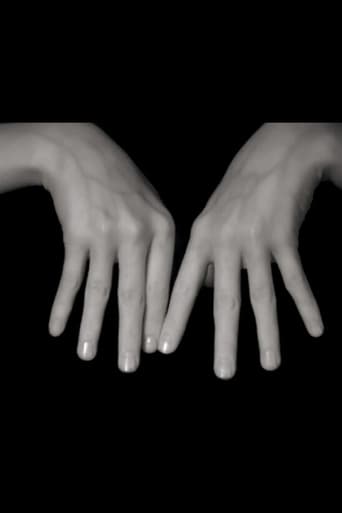
    The hands of three generations are seen in this work – a young boy, father, mother and grandmother. Slowly and deliberately, the four pairs of hands are shown forming a series of predetermined movements. These are taken from sources as diverse as Buddhist mudras (defined ritual or symbolic gestures) and 17th-century English chirologia tables, which illustrate hand gestures that accompany emotional states. Viola explains that the work is “a timeline that encompasses both the parallel actions of the individuals in the present moment and the larger movements of the stages of human life.” It is part of a series called 'The Passions', which is inspired by early European devotional paintings and explores human emotions.

    img
  • 2000
    imgMovies

    The Quintet of the Astonished

    The Quintet of the Astonished

    1 2000 HD

    The Quintet of the Astonished shows the unfolding expressions of five actors in such extreme slow motion that every minute detail of their changing facial expressions and movements can be detected. In this piece artist Bill Viola explores the cathartic power within grief, personal suffering, and bereavement.

    img
  • 2005
    imgMovies

    Ablutions

    Ablutions

    1 2005 HD

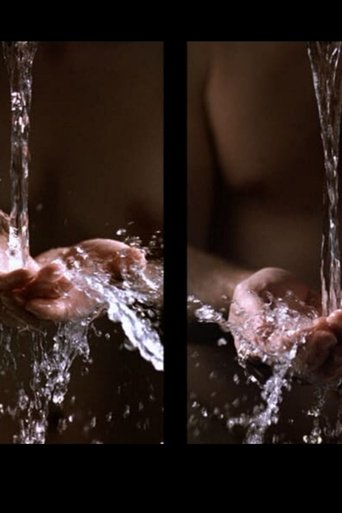
    This diptych opens with the image of two parallel streams of falling water. A female torso moves into the background of the left screen while a male torso mirrors her on the right. Both figures move slowly to the foreground and into the light, cupping and bathing their hands in the water for several minutes until they fade away into silhouettes. Viola has described this work as a kind of purification ceremony akin to those one would experience in a Japanese Zen temple.

    img
  • 2012
    imgMovies

    Walking on the Edge

    Walking on the Edge

    1 2012 HD

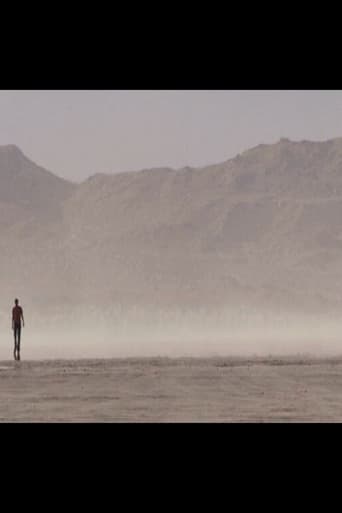
    This work represents the inevitable separation of father and son as they take separate paths in their life's journey. Two men arrive in the desert under a turbulent sky. They appear at the far extremes of the frame and walk toward us on a trajectory that takes them closer to each other, until they are walking side by side. Eventually they cross paths and begin to separate. The gap between them widens until they leave the outer edges of the frame.

    img
  • 2014
    imgMovies

    Martyrs: Earth

    Martyrs: Earth

    1 2014 HD

    Martyrs (Earth, Air, Fire, Water) consists of four plasma screens, each showing a single figure who is progressively overwhelmed by the onslaught of a natural force. The experiences of the four individuals are orchestrated together to form a coherent whole. The overriding theme is martyrdom for deep-seated beliefs, with the physical suffering of the body made dramatically evident through the cardinal elements.

    img
  • 2014
    imgMovies

    Martyrs: Air

    Martyrs: Air

    1 2014 HD

    Martyrs (Earth, Air, Fire, Water) consists of four plasma screens, each showing a single figure who is progressively overwhelmed by the onslaught of a natural force. The experiences of the four individuals are orchestrated together to form a coherent whole. The overriding theme is martyrdom for deep-seated beliefs, with the physical suffering of the body made dramatically evident through the cardinal elements

    img
  • 2014
    imgMovies

    Martyrs: Fire

    Martyrs: Fire

    1 2014 HD

    Martyrs (Earth, Air, Fire, Water) consists of four plasma screens, each showing a single figure who is progressively overwhelmed by the onslaught of a natural force. The experiences of the four individuals are orchestrated together to form a coherent whole. The overriding theme is martyrdom for deep-seated beliefs, with the physical suffering of the body made dramatically evident through the cardinal element

    img
  • 2014
    imgMovies

    Martyrs: Water

    Martyrs: Water

    1 2014 HD

    Martyrs (Earth, Air, Fire, Water) consists of four plasma screens, each showing a single figure who is progressively overwhelmed by the onslaught of a natural force. The experiences of the four individuals are orchestrated together to form a coherent whole. The overriding theme, is martyrdom for deep-seated beliefs, with the physical suffering of the body made dramatically evident through the cardinal elements

    img
  • 2005
    imgMovies

    Basin of Tears

    Basin of Tears

    1 2005 HD

    In Basin of Tears, two videos are projected side by side on two adjacent screens mounted to the wall. This video diptych creates an incredible imagery, colours and the sensual quality of water are presented vividly, just like in an old master painting. Viewers find themselves in a transcendental atmosphere; through the slow pace, the large but still intimate size and the exclusion of any sound, Viola creates a truly fascinating artwork with a powerful visual effect. It seeks to engage the viewer in a visceral and emotional experience that goes to the roots of the human condition and its spiritual sources.

    img
  • 2008
    imgMovies

    The Innocents

    The Innocents

    1 2008 HD

    Part of Bill Viola’s Transfiguration series, The Innocents explores the presence of the dead in the world of the living. The video documents a boy and a girl who slowly approach out of the darkness and into the light. Shown on separate screens, they break through what is, at first, an invisible threshold of water, suggestive of a passage from the spiritual world into a physical plane of existence. Once incarnate, however, all beings realize that their presence is finite, and so the figures eventually turn away from material existence to return from whence they came.

    img
  • 2012
    imgMovies

    Traveling on Foot

    Traveling on Foot

    1 2012 HD

    Two figures are captured in slow motion, walking closely together, across a stretch of the Mojave Desert towards the camera, with no end in sight.

    img
  • 1995
    imgMovies

    Interval

    Interval

    1 1995 HD

    Video/sound installation featuring two channels of color video projections from opposite walls of a large, darkened gallery; custom video switching program; two channels of amplified mono sound, four speakers.

    img
  • 2006
    imgMovies

    Poem B (The Guest House)

    Poem B (The Guest House)

    1 2006 HD

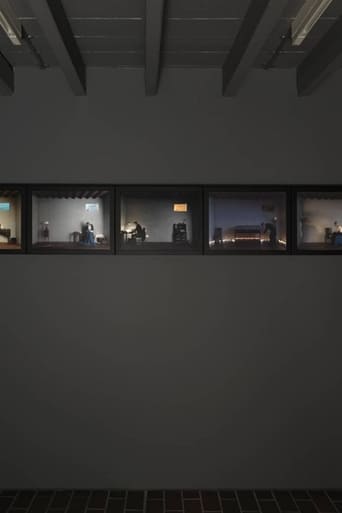
    In this artwork, we witness the residue of a life through the objects and structures that surround a solitary older woman: color and black-and-white video triptych on LCD flat panels mounted on wall, 35.5 x 200 x 6 cm.

    img
  • 2002
    imgMovies

    Going Forth By Day

    Going Forth By Day

    1 2002 HD

    The film is a five-part projection-based installation, which addresses the complexity of human existence through the themes of individuality, society, death and rebirth. Each video is projected directly onto the wall of the exhibition space, just as paint from a fresco adheres to the surface of a plaster wall.

    img
  • 2002
    imgMovies

    Going Forth By Day

    Going Forth By Day

    1 2002 HD

    The film is a five-part projection-based installation, which addresses the complexity of human existence through the themes of individuality, society, death and rebirth. Each video is projected directly onto the wall of the exhibition space, just as paint from a fresco adheres to the surface of a plaster wall.

    img
  • 2002
    imgMovies

    Going Forth By Day

    Going Forth By Day

    1 2002 HD

    The film is a five-part projection-based installation, which addresses the complexity of human existence through the themes of individuality, society, death and rebirth. Each video is projected directly onto the wall of the exhibition space, just as paint from a fresco adheres to the surface of a plaster wall.

    img